Dec. 05, 2025
Introduction
Hungary is a European leader in solar photovoltaic (PV) adoption, with solar power already accounting for nearly 25% of its domestic electricity generation. However, this rapid growth, while commendable, has created a significant challenge: grid instability and frequent instances of power curtailment, even leading to negative electricity prices during peak sunshine hours.In this shifting energy landscape, Battery Energy Storage Systems (BESS) have transitioned from being a niche luxury to a strategic necessity for the Hungarian grid, commercial sector, and solar farm operators.
The Hungarian Energy Challenge: Too Much Sun, Not Enough Grid Flexibility
Unlike countries facing basic power shortages, Hungary's primary challenge stems from its successful but unbalanced clean energy transition:
1. Renewable Energy Volatility
Hungary has set an ambitious goal to reach 12,000 MW of PV capacity by 2030. However, the current infrastructure struggles to absorb the massive midday power surges. This imbalance leads to two major issues:
Curtailment & Waste: Significant amounts of clean solar energy are wasted or priced at zero/negative rates because the Transmission System Operator (TSO) cannot balance the grid.
2. High Import Dependence & Energy Security
Hungary relies heavily on external sources for its primary energy supply (around 75% in 2023). The European energy crisis highlighted the vulnerability associated with this dependence.
Why is Large-Scale Energy Storage Essential for Hungary?
For industrial players, solar farm developers, and the national grid, BESS provides multifaceted value:
| Stakeholder | Key Problem Solved by BESS | Necessary Storage Function |
| Solar Farm Owners | Electricity curtailment and zero/negative prices. | Arbitrage & Peak Shifting: Store excess power during peak generation (midday) and sell it during high-demand/high-price periods (evening). |
| Industrial/Commercial (C&I) | High peak demand charges (capacity fees) and reliance on imports. | Peak Shaving: Discharge BESS during peak grid usage to lower the facility's demand tariff. Self-Consumption: Maximize the use of owned solar power. |
| Grid Operator (MAVIR) | Grid imbalance caused by PV volatility. | Frequency Regulation & Reserve Power: Provide fast, reliable power injection to maintain grid stability. |
Commercial & Industrial (C&I) Solutions: Maximizing PV Self-Consumption
For factories, large logistics centers, and commercial parks in Hungary, the installation of a photovoltaic energy storage battery is key to minimizing utility costs and maximizing the investment return on rooftop or ground-mounted solar arrays.
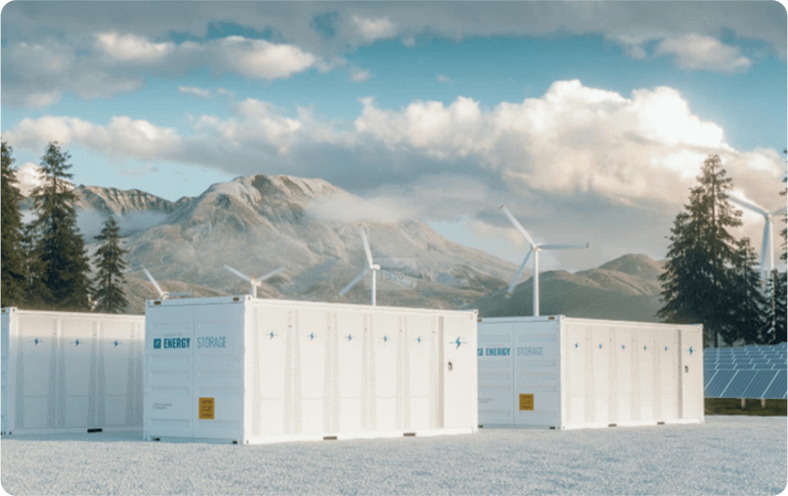
The Opportunity for Utility-Scale Solar Farm Energy Storage
Hungary’s government is actively supporting grid modernization, including significant funding for BESS projects (800 MW / 1600 MWh target). This creates a massive opportunity for projects that co-locate storage with new or existing solar farms.
The 215kWh solar farm energy storage unit is perfectly suited for developers looking to:
1. Meet Grid Connection Requirements: TSO often requires BESS for new PV connections to ensure dispatchability.
2. Enhance Revenue: By shifting generation to high-price hours, developers can avoid negative price periods and significantly increase the project's Internal Rate of Return (IRR).
As Hungary accelerates towards its 12 GW solar target, the need for intelligent, high-capacity storage is undeniable.
We are committed to delivering the proven stability and high-performance photovoltaic energy storage battery systems that Hungary needs to transform its abundant solar resource into a secure and profitable energy future.
Latest News
Related Solutions
Residential Solutions
+ -Utility-Scale Solutions
+ -Commercial & Industrial Solutions
+ -