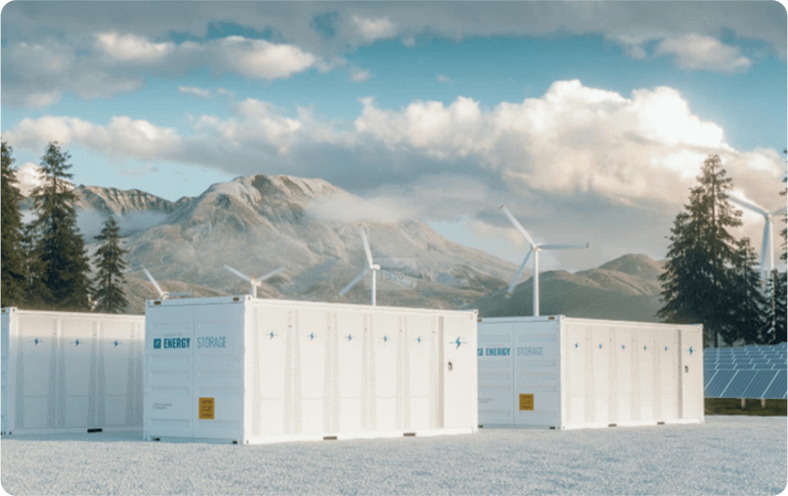
Large-scale energy storage plays a vital role in renewable energy projects by storing excess electricity, improving grid reliability, and enabling greater integration of renewable sources like solar and wind. It helps reduce dependency on fossil fuels, ensures a stable energy supply, and supports grid balancing, making it indispensable for a sustainable energy future.

Why Large-Scale Energy Storage is Crucial for Renewable Energy Projects
The shift toward renewable energy sources like solar and wind is essential for reducing carbon emissions and mitigating climate change. However, these energy sources are intermittent—solar only generates power during the day, and wind energy fluctuates depending on wind conditions. This is where large-scale energy storage (LSES) comes into play.
LSES systems store excess energy generated during periods of high production (e.g., sunny or windy days) and release it when production is low or during periods of high demand. This makes it possible to decouple the production of renewable energy from demand, ensuring a consistent and reliable energy supply.
As the renewable energy sector continues to grow, the role of large-scale energy storage will only increase. According to the IEA, global energy storage capacity is expected to grow by more than sixfold by 2030, driven primarily by renewable energy integration.
1. Grid Stabilization and Frequency Regulation
Grid stabilization is one of the primary functions of large-scale energy storage in renewable projects. Energy storage systems help smooth out the fluctuations in power supply that come with renewable generation. By charging during periods of high renewable production and discharging during times of low generation, storage systems stabilize the grid and reduce the risk of power outages.
In addition to frequency regulation, storage systems can participate in the ancillary services market by providing services like:
Voltage control
Load balancing
Spinning reserves
These functions help ensure that the grid remains stable even as the proportion of intermittent renewable energy sources increases.
2. Renewable Energy Integration and Smoothing Intermittency
The biggest challenge for renewable energy systems is intermittency—energy generation is not always aligned with demand. Large-scale energy storage addresses this challenge by storing excess renewable energy when generation exceeds demand and releasing it when needed.
For example:
During sunny periods, solar farms produce more energy than is required by the grid. LSES can capture this surplus energy and store it for later use, such as during the night or cloudy days.
Similarly, wind energy can be intermittent, so energy storage systems help smooth out these fluctuations by storing energy when wind production is high and releasing it when wind speeds drop.
As a result, large-scale energy storage allows grid operators to better integrate variable renewable resources like wind and solar into the grid without sacrificing reliability.
3. Peak Shaving and Load Shifting
Peak shaving and load shifting are essential tools for managing electricity demand and reducing grid congestion.
Peak shaving: Energy storage helps reduce the demand on the grid during periods of peak electricity consumption, typically in the early evening when people return home from work. By discharging stored energy, large-scale storage can offset the need for fossil-fuel-powered "peaker" plants, which are typically fired up during these times to meet demand.
Load shifting: Energy storage systems can store excess energy during off-peak hours (when demand is low) and release it during peak hours. This reduces the strain on the grid and can lower electricity costs for consumers. By shifting demand away from peak periods, storage systems also help reduce the need for building new power plants.
Both of these applications contribute to cost savings and reduced emissions, making them vital for energy grid optimization.
4. Backup Power and Emergency Resilience
Large-scale energy storage systems can provide backup power in the event of grid failures, ensuring that critical infrastructure, such as hospitals, data centers, and government facilities, maintain power during emergencies. This enhances the resilience of the grid and provides a reliable emergency power source in the event of natural disasters or technical failures.
Many regions are increasingly relying on energy storage as part of their disaster recovery plans. For example:
Hurricane-prone regions can use storage to maintain power when the grid is down.
In places with frequent wildfires, microgrids powered by large-scale energy storage can provide reliable power even when utility lines are compromised.
In these applications, large-scale storage systems provide a critical backup during extreme events and help communities recover faster.
5. Frequency Control and System Stability in Microgrids
Microgrids are localized energy systems that can operate independently or in conjunction with the main grid. They are particularly useful in remote areas, military bases, and islands that require more reliable and secure energy sources.
Large-scale energy storage systems play a key role in microgrids by ensuring frequency control and system stability. When the microgrid operates off-grid or in island mode, storage systems can:
Balance supply and demand
Provide backup power if generation falls below consumption
Ensure that grid frequency remains within the acceptable range
These functions are especially critical for areas with limited access to external power sources or those that rely on renewable energy for their primary generation.
6. Energy Arbitrage and Economic Benefits
Energy arbitrage refers to the process of buying electricity during periods of low demand (when prices are low) and selling it back to the grid during high-demand periods (when prices are high). Large-scale energy storage systems enable this by storing energy during off-peak hours when prices are lower and discharging it during peak hours when prices are higher.
By doing so, energy storage systems help optimize electricity costs, benefiting both energy producers and consumers. This is particularly important in regions with volatile energy markets, where prices fluctuate throughout the day.
7. Supporting Electric Vehicle Charging and Transportation Electrification
The electrification of transportation, including electric vehicles (EVs), is one of the biggest trends in the energy sector. However, the increased demand for electricity due to widespread EV adoption could place additional stress on the grid.
Large-scale energy storage systems can play a crucial role in supporting EV infrastructure by:
Charging EVs during off-peak times: Storing energy when the grid is not under stress and then using that stored energy to power EV chargers.
Reducing grid congestion: Energy storage can help mitigate the impact of simultaneous EV charging by storing energy when demand is low and discharging during high-demand periods.
This application not only supports the growth of green transportation but also contributes to more sustainable grid management.
Solareast: Your Partner in Large-Scale Energy Storage Solutions
At Solareast, we provide advanced large-scale energy storage solutions designed to meet the needs of renewable energy projects. Whether you’re developing a solar farm, supporting grid stability, or enhancing resilience in microgrids, our energy storage systems are tailored to ensure maximum efficiency, safety, and sustainability.
Our systems offer:
Long-lasting LFP (Lithium Iron Phosphate)battery technology
Modular, scalable solutions to meet any project size
Seamless integration with solar and other renewable sources
Global compliance and safety certifications
If you have any questions, or would like to learn how we can help your renewable energy projects thrive with reliable, high-performance energy storage solutions, please feel free to contact us.
Conclusion
Large-scale energy storage systems are indispensable for the success of renewable energy projects. From enabling renewable integration to providing grid stability, energy storage is central to building a sustainable energy future. By embracing these technologies, countries, businesses, and communities can reduce their reliance on fossil fuels, lower energy costs, and improve grid resilience. Solareast is proud to be at the forefront of providing cutting-edge energy storage solutions for large-scale renewable projects.