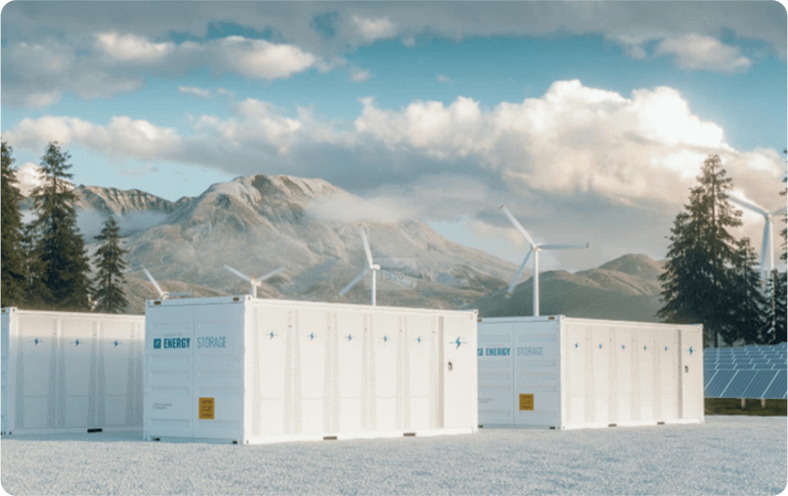
Pakistan's Energy Crisis: The Business Case
For Pakistani businesses, unreliable electricity is not a risk scenario — it is daily operational reality. Pakistan's energy crisis sees peak demand frequently surpassing generation capacities, leading to daily load shedding of 8–12 hours, even in urban centres. Unannounced blackouts lasting 8–16 hours a day have disrupted households and businesses alike, and in some localities power can be out for 20 hours or more per day.
The financial consequences are severe. Load shedding costs the Pakistani economy an estimated $6–8 billion annually. Major industrial centres such as Faisalabad have seen hundreds of factories shut down over time primarily due to electricity shortages, resulting in significant job losses.
Client Background & Challenges
After evaluating available, the client selected SolarEast for our proven LFP technology, CE and IEC-certified product credentials, competitive factory-direct pricing, and demonstrated track record of successful C&I deployments across South and Southeast Asia.
The SolarEast Solution: 3 × 261kWh
System Overview
SolarEast's engineering team specified a 783kWh total — three SolarEast operating as a unified system — designed to address the client's full set of energy challenges within a single integrated solution.
The three-cabinet configuration was selected for its combination of total capacity, modularity, and installation footprint. Each unit is a self-contained, factory-tested energy storage system that arrives commissioning-ready, minimising on-site integration complexity in a market where specialist commissioning resources can be limited.
Why LFP for Pakistan's Climate
Pakistan's high-ambient operating environment — with summer temperatures regularly exceeding 40°C in commercial and industrial facilities — makes thermal stability a non-negotiable specification requirement. LiFePO₄ chemistry delivers inherent thermal stability that NMC and other chemistries cannot match, eliminating the thermal runaway risk that makes alternative chemistries unsuitable for high-temperature tropical and continental climates.
Installation: What the Site Photos Show

Installation Highlights:
✅ All 3 units delivered to site fully factory-tested and pre-configured
✅ Indoor installation with controlled ambient environment
Results: How the 783kWh System Solves the Client's Challenges
✅ Peak Demand Charges — The system's integrated EMS actively monitors the client's grid consumption profile and dispatches stored battery energy whenever consumption approaches peak tariff thresholds. For a commercial operation in Pakistan's high-tariff environment, this peak shaving function alone can deliver substantial monthly savings — directly reducing one of the client's largest operating cost line items.
✅ Solar Self-Consumption — With 783kWh of storage available, the client's rooftop solar generation is now stored during daytime production hours and consumed during evening peak periods and overnight — rather than being exported to the grid at low feed-in rates or wasted during grid curtailment events. The effective value of each kWh generated by the existing solar installation has increased significantly since commissioning.
Related Solutions
Residential Solutions
+ -Utility-Scale Solutions
+ -Commercial & Industrial Solutions
+ -